
Poisonous Plants For Dogs


Did you know that many common garden and house plants can be toxic to your dog? In fact, the American Society for the Prevention of Cruelty to Animals lists over 390 that are poisonous—primarily when ingested.1 Some may even cause death.
If you suspect that your pet has ingested something poisonous, please do not hesitate to call your veterinarian or the ASPCA Animal Poison Control Center at 888-4ANI-HELP (888-426-4435). If you have general concerns that something in your pet's environment is impacting his or her health or well-being, please consult with your veterinarian.
Some of the most common plants that are toxic to dogs are:
Please note that while we make all efforts to provide up-to-date, valid information, we cannot guarantee the accuracy of the information. Also, our plants list is not meant to be all-inclusive.
Adam-and-Eve (Arum maculatum)
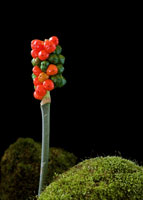
Toxic parts: Entire plant.3
Type: Herbaceous perennial; can be grown indoors and outdoors.3
Native to: Europe, Middle East.3
In the U.S.: Southern or warmer climates.3
Looks like: 3
- Small clusters of green berries that turn red-orange.
- Large, broad leaves, which can be arrow-shaped.
- Low-growing.
- Flower is a sheath-like hood over a spike with tiny clusters.
- Difficulty swallowing.
- Excessive drooling.
- Mouth irritation and burning sensation.
- Vomiting.
Aloe (Aloe vera)
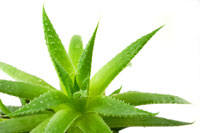
Toxic parts: Leaves.3
Type: Herbaceous perennial; can be grown indoors in colder climates and outdoors.3
Native to: Tropical Africa.3
In the U.S.: Southern or warmer climates.3
Looks like:3
- Base clusters of green, succulent, long, often spiny leaves.
- Red, pink, white, or yellow flowers are tubular and occur in clusters on thin stems above the leaves.
- Anorexia.
- Depression.
- Diarrhea.
- Tremors.
- Urine color change.
- Vomiting.
Amaryllis (Amaryllis species)
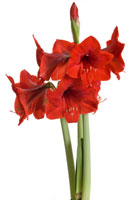
Toxic parts: Entire plant.6
Type: Tender or hardy bulb, depending on climate; can be grown indoors and outdoors.6
Native to: South Africa.6
In the U.S.: Southern or warmer climates.6
Looks like: 3
- Large flowers (shaped like trumpets) that bloom in autumn on 18” stalks
- Anorexia.
- Depression.
- Diarrhea.
- Drooling.
- Stomach pain.
- Tremors.
- Vomiting.
American Bittersweet (Celastrus scandens)
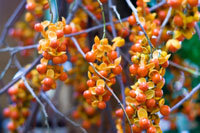
Toxic parts: Fruit, possibly all parts.8
Type: Climbing vine3 or shrub form.7
Native to: North America.8
In the U.S.: Southern or warmer climates.6
Looks like: 7
- Small oval shaped leaf.
- Clusters of yellow berries.
- Convulsions.
- Diarrhea.
- Vomiting.
- Weakness.
American Holly (Ilex opaca)
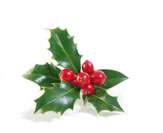
Toxic parts: Berries.10
Type: Tree or tall shrub.3
Native to: Throughout North America.3
In the U.S.: Southern or warmer climates.3
Looks like: 3
- Dark green leaves.
- Red, orange, or black fruit.
- Depression.
- Diarrhea.
- Vomiting.
American Mandrake (Podophyllum peltatum)
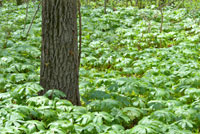
Toxic parts: Entire plant except fruit.8
Type: Wild herb.8
Native to: North America.8
In the U.S.: Moist woodlands throughout.8
Looks like: 8
- Grows to 1.5 feet high.
- Each plant has two large five or nine-lobed leaves (some up to a foot wide).
- The leaves shelter a single white, drooping, 2-inch wide flower.
- Yellow-green, egg-shaped, single fruits.
- Coma.
- Diarrhea.
- Lethargy.
- Panting.
- Skin redness or ulcers.
- Vomiting.
Apple (Malus sylvestrus)
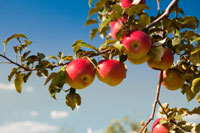
Toxic parts: Stems, leaves, seeds.12
Type: Deciduous tree or shrub.13
Native to: Five species of crab apples are native to North America; the many species commonly eaten by humans are originally from southeastern Europe and Central Asia.13
In the U.S.: Temperate climates.8
Looks like: 8, 13
- Clusters of small, fragrant white or pink flowers.
- Crab apples are smaller than eating apples.
- Fleshy fruit with multiple small seeds.
- Dilated pupils.
- Mucous membranes turn brick red.
- Respiratory distress and panting.
- Shock.
Apricot (Prunus armeniaca)
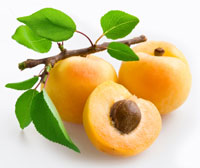
Toxic parts: Stems, leaves, seeds.14
Type: Deciduous tree or shrub.3
Native to: North America has many native species.3
In the U.S.: Cultivated in temperate climates.8
Looks like: 3, 8
- Smooth, reddish bark.
- Small 2-inch leaves with pointy tip.
- Pink or white 5-petaled flowers.
- Orange to red fruits with single pit inside.
- Dilated pupils.
- Mucous membranes turn brick red.
- Respiratory distress and panting.
- Shock.
Arrow-Head Vine (Syngonium podophyllum)
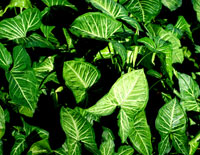
Toxic parts: All parts.16
Type: Perennial evergreen.16
Native to: Mexico, South America.16
In the U.S.: Typically a houseplant.16
Looks like: 16
- Climbing herbal vine.
- Leaves are arrow-shaped and mottled in color.
- Hooded singular flowers.
- Acute mouth irritation.
- Difficulty in swallowing.
- Drooling.
- Vomiting.
Autumn Crocus (Colchicum autumnale)
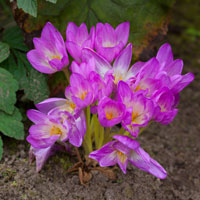
Toxic parts: Entire plant.8
Type: Hardy perennial from bulb.6
Native to: Europe.17
In the U.S.: Cultivated all over, but also grows outdoors in temperate regions.17
Looks like: 6, 17
- White or light violet flowers that only appear in late summer or autumn.
- Long leaves in spring that die back before plant flowers.
- Bloody vomit.
- Diarrhea.
- Mouth irritation.
- Organ damage.
- Shock.
- Suppression of bone marrow.
Avocado (Persea americana)
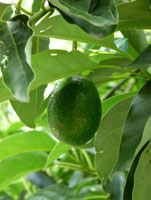
Toxic parts: Bark, leaves, seeds, unripe fruit.3
Type: Shrub or tree.20
Native to: Central America and Mexico.3
In the U.S.: Typically grown in California and Florida.19
Looks like: 20
- Pointed oval dark green leaves.
- Trees can grow to more than 65 feet tall.
- Fruit varies in size from 4 to over 10 inches long with a rough skin darker than the interior flesh, and a large central seed.
- Diarrhea.
- Vomitting.
Azalea and Rhododendron (Rhododendron species)
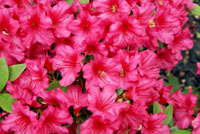
Toxic parts: Entire plant.10
Type: Evergreen and deciduous shrubs or small trees3
Native to: orth America, Southeast Asia, Australia.3
In the U.S.: emperate climates.3
Looks like: 3
- Rhododendrons usually have thick leathery evergreen leaves.
- Azaleas usually have thin deciduous leaves.
- Dense clusters of large bell-shaped flowers in a wide variety of colors.
- Coma.
- Death.
- Depression.
- Diarrhea.
- Drooling.
- Leg paralysis.
- Loss of appetite.
- Loss of coordination.
- Stupor.
- Vomiting.
- Weak heart rate and cardiovascular collapse.
- Weakness
Begonia (Begonia species)
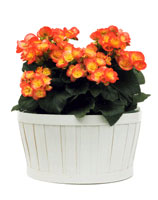
Toxic parts: Mostly the tuberous root.17
Type: Tender or hardy perennial, or grown as an annual, depending on climate.6
Native to: Mexico, South and Central America, Asia, South Africa.17
In the U.S.: Cultivated in temperate climates.17
Looks like: 6, 17
- Grows between six and 30 inches tall.
- Broad, shiny leaves can be red or green, and sometimes striped or multi-color.
- Thick stems.
- Small 4-petaled red, white, orange, or pink flowers, two of the petals are much smaller.
- Difficulty swallowing.
- Excessive drooling.
- Mouth irritation and burning.
- Vomiting.
Boston Ivy (Parthenocissus tricuspidata)
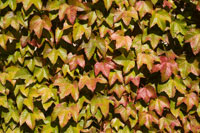
Toxic parts: All parts.10
Type: Climbing vine.23
Native to: Central China and Japan.23
In the U.S.: Cultivated in colder temperate climates.23
Looks like: 23
- 3-lobed green leaves that turn red in the autumn.
- Small blue fruit.
- Difficulty swallowing.
- Mouth swelling.
- Gastrointestinal problems.
- Respiratory problems.
Buttercup (Ranunculus)
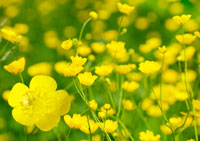
Toxic parts: Entire plant.3
Type: Annual and perennial wild herb.3
Native to: North America.3
In the U.S.: All regions.3
Looks like: 3
- Usually flowers in spring, with small yellow or cream flowers with five or more petals.
- Grows to low or moderate height.
- Multiple leaves can be variable in shape—sometimes divided, lobed, or veined—and alternate on the stem.
- Anorexia.
- Depression.
- Diarrhea.
- Excessive drooling.
- Unsteady gait.
- Vomiting.
Caladium (Caladium hortulanum)
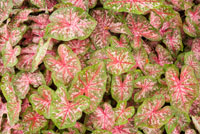
Toxic parts: All parts.27
Type: Perennial herb grown from tuber.27
Native to: South America.27
In the U.S.: Houseplant or grown outdoors as tender annual in colder temperate regions; outside as tender perennial in southern states.23, 27
Looks like: 23, 27
- Large, arrow-shaped multiple-colored leaves with a variable color mix of green, white, red, and pink.
- Hooded flowers on singular stalks.
- Thick stems.
- Small 4-petaled red, white, orange, or pink flowers, two of the petals are much smaller.
- Difficulty swallowing.
- Excessive drooling.
- Mouth irritation and burning.
- Excessive drooling.
- Vomiting.
Chinaberry (Melia azedarach L.)
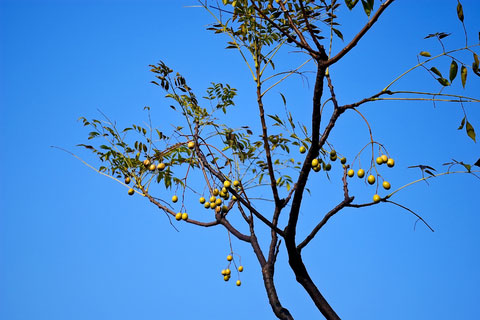
Toxic parts: Berries, bark, leaves, and flowers.28
Type: Deciduous tree.17
Native to: Temperate and tropical Asia, Australia, and the Solomon Islands.29
In the U.S.: Found as an invasive plant throughout the southern half of the United States.29
Looks like: 29
- Similar to American elderberry tree.
- Fast-growing tree; can grow to 50 feet tall.
- Purple-tinged, brown-spotted twigs, large blue-green leaves that turn yellow in autumn.
- Round yellow berries.
- Clusters of small flowers in the spring, with five pink petals around a central deep purple and red tube.
- Depression.
- Diarrhea.
- Drooling.
- Seizures.
- Vomiting.
- Weakness.
Christmas Tree (Pinus sylvestris)
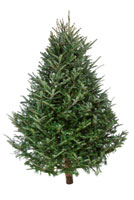
Toxic parts: Sap.30
Type: Evergreen tree.23
Native to: Europe.23
In the U.S.: Found in the colder zones.23
Looks like: 23
- Two to three-inch long blue-green needles, two to a sheath.
- Reddish bark.
- Two inch pine cones.
- Can reach 75 feet in height if left to grow.
- Abdominal pain.
- Anorexia.
- Depression.
- Vomiting.
Chrysanthemum (Chrysanthemum species)
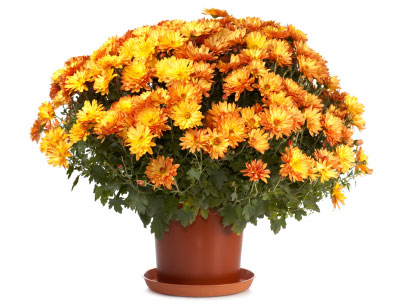
Toxic parts: Entire plant.10
Type: Perennial.6
Native to: China.33
In the U.S.: Temperate to warm zones.6
Looks like: 6, 33
- One to five feet tall.
- Blooms summer through fall.
- Multiple colors and petal counts, depending on type.
- Diarrhea.
- Excessive drooling.
- Skin irritation.
- Unsteady gait.
- Vomiting.
Clematis (Clematis species)
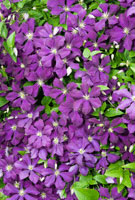
Toxic parts: Entire plant.10
Type: Woody perennial vine.3
Native to: Over 50 native species to North America.3
In the U.S.: Throughout the country.3
Looks like: 3
- Small to large flowers, sometimes clustered; multiple colors, including white, pink, red, or purple.
- Densely clustered red or black berries.
- Vine can be trailing or climbing.
- Diarrhea.
- Excessive salivation.
- Vomiting.
Creeping Fig (Ficus benjamina)
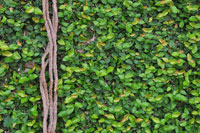
Toxic parts: Sap from all parts.54
Type: Evergreen shrub or tree.54
Native to: Asia.54
In the U.S.: Typically a houseplant.54
Looks like: 54
- Drooping branches.
- Alternating, long, glossy leaves.
- Flowers and fruits are in a sac that turns color from green to reddish orange and then a deep purple-tinged black.
- Dermatitis.
- Drooling.
- Oral irritation.
- Vomiting.
Daffodil (Narcissus)
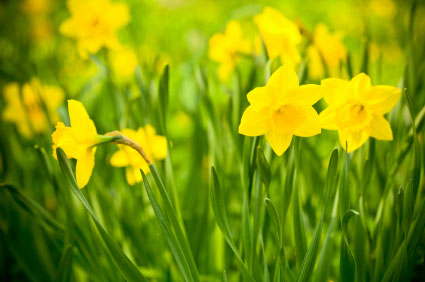
Toxic parts: Bulbs, leaves, and flowers, but the bulbs are especially toxic.35, 26
Type: Bulbous perennial.36
Native to: Europe.36
In the U.S.: Throughout the country.36
Looks like: 36
- Two-part flowers—a central cup with a flat base ring of six structures that look like petals.
- Flat or sheath-like leaves, but not on flower stalk.
- Blooms in spring for up to three months in warmer regions.
- Convulsions.
- Diarrhea.
- Excessive salivation.
- Low blood pressure and irregular heart rhythms.
- Tremors.
- Vomiting.
Dieffenbachia (Dieffenbachia)
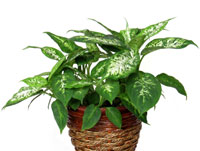
Toxic parts: All parts.38
Type: Perennial herb.38
Native to: Tropical countries.38
In the U.S.: Typically a houseplant.38
Looks like: 38
- Hooded, spiked flower.
- Large mottled white, yellow, and green leaves.
- Tall.
- Acute mouth irritation.
- Difficulty in swallowing.
- Drooling.
- Vomiting.
Foxglove (Digitalis purpurea)
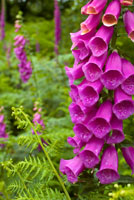
Toxic parts: Entire plant.3
Type: Biennial or perennial herb.3
Native to: Southern Europe, Central Asia.3
In the U.S.: Throughout the country.3
Looks like: 3
- Can grow up to five or more feet high.
- Large, oval, pointy-tipped leaves with hairy undersides at the base of the plant.
- Tall stalks with clusters of tubular, drooping, pink/purple or white/yellow flowers.
- The lower lip of the flower is usually spotted purple or brown.
- Cardiac arrhythmia.
- Cardiac failure.
- Death.
- Diarrhea.
- Vomiting.
- Weakness.
Hydrangea (Hydrangea arborescens)
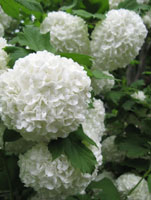
Toxic parts: Leaves.41
Type: Flowering shrub.41
Native to: North America.23
In the U.S.: From New York south and west to Oklahoma.41
Looks like: 41
- Typically between four and six feet tall.
- Large clustered white flowers bloom July through August.
- Depression.
- Diarrhea.
Marijuana (Cannabis sativa)
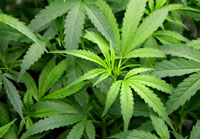
Toxic parts: All parts; especially stems of flowers.43
Type: Annual.43
Native to: Asia.43
In the U.S.: Illegal to grow, but has been cultivated throughout the country both indoors and out. 43
Looks like: 43
- Grows six to twelve feet tall.
- At the base of the plant, leaves grow opposite each other; at the top they alternate and are divided into palms of three to seven small leaves.
- Small green clustered flowers.
- Coma.
- Death.
- Depression.
- Dilated pupils.
- Drowsiness or excitability.
- Excessive drooling.
- Low blood pressure.
- Low body temperature.
- Seizure.
- Vomiting.
Mistletoe (Phoradendron leucarpum, P. serotinum, P. flavescens)
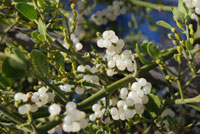
Toxic parts: Berries.45
Type: Evergreen shrub that is partially parasitic on the limbs of deciduous trees.45
Native to: U.S.A.45
In the U.S.: Throughout the country.45
Looks like: 45
- Leathery oblong leaves grow opposite each other on green-colored branches.
- White berries.
- Diarrhea.
- Dilated pupils.
- Erratic behavior.
- Gastrointestinal problems.
- Heart failure.
- Low blood pressure.
- Shortness of breath.
- Slow heartbeat.
- Vomiting.
Morning Glory (Ipomoea)
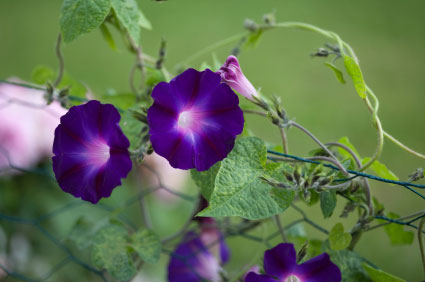
Toxic parts: Seeds; possibly other parts.3
Type: Annual vine.36
Native to: Mostly tropical climates.36
In the U.S.: Throughout the country.36
Looks like: 36
- Climbing vine with large funnel-shaped flowers in blue, purple, red, white, and contrasting colors.
- Agitation.
- Anorexia.
- Diarrhea.
- Disorientation and unsteadiness.
- Gastrointestinal problems.
- Hallucinations.
- Tremors.
Philodendron Pertusum (Philodendron spp)
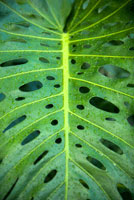
Toxic parts: All parts.47
Type: Evergreen vine.47
Native to: Tropical America.47
In the U.S.: Typically a houseplant.47
Looks like: 47
- Climbing vine.
- Hooded, spiked cluster of flowers that rarely form when grown inside (as opposed to the tropics).
- Large, alternating, glossy, dark green leaves.
- Acute mouth irritation.
- Difficulty in swallowing.
- Drooling.
- Vomiting.
Sweet Pea (Lathyrus latifolius)
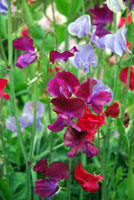
Toxic parts: Seedlings and seeds.17
Type: Perennial.6
Native to: Southern Europe up to southern Russia.49
In the U.S.: Throughout the country.49
Looks like: 6
- Erect or climbing vine.
- White, purple, pink, or bi-colored flowers.
- Some have fragrant blooms from early spring through summer.
- Death.
- Lethargy.
- Pacing.
- Pressing head against wall or other object.
- Seizures.
- Tremors.
- Weakness.
Tomato Plant (Lycopersicon)
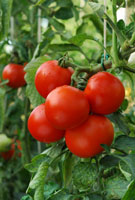
Toxic parts: Leaves.17
Type: Herbaceous perennial.17
Native to: Mexico and Peru.17
In the U.S.: Cultivated throughout temperate zones.17
Looks like: 17
- Downy toothed or lobed leaves.
- Most varieties produce fruit that turns red when mature.
- The common garden tomato is actually a berry, with many small seeds.
- Confusion.
- Depression.
- Diarrhea.
- Dilated pupils.
- Drowsiness.
- Excessive drooling.
- Gastrointestinal problems.
- Slow heart rate.
Tulip (Tulipa)

Toxic parts: Entire plant, but especially the bulb.3, 52
Type: Perennial bulbous plant.36
Native to: Turkey.17
In the U.S.: Cultivated throughout the country.
Looks like: 36
- Blooms in spring.
- Variety of colors.
- Cup-shaped, single flower per stem.
- Dormant in summer.
- Outer layers of bulbs are dry and papery.
- Depression.
- Diarrhea.
- Excessive drooling.
- Vomiting.
Wisteria (Wisteria species)
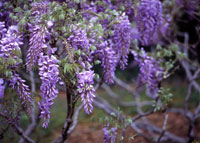
Toxic parts: Tendrils, seeds.17
Type: Climbing perennial vine, considered invasive in southern U.S. states.6, 17
Native to: China, Japan, Southeastern United States.17
In the U.S.: Temperate regions.17
Looks like: 6, 17
- Fragrant lavender flowers that produce pods with brown seeds.
- Climbing woody
- The common garden tomato is actually a berry, with many small seeds. vine.
- Depression.
- Diarrhea.
- Vomiting (sometimes bloody).
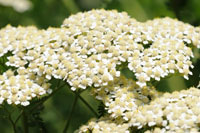
Yarrow (Achillea millefolium)
Toxic parts: Everything that grows above the ground (aerial).17
Type: Herbaceous perennial; invasive.17
Native to: Europe and western Asia.17
In the U.S.: Throughout temperate and some southern regions.17
Looks like: 17
- Fragrant, red or white flat, wide flowering heads.
- Reaches up to 20 inches in height.
- Feathery green leaves, mostly clustered at base of flower stalk.
- Blooms summer to early autumn.
- Anorexia.
- Depression.
- Diarrhea.
- Excessive drooling.
- Vomiting.
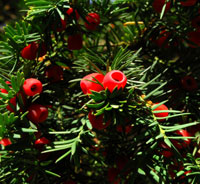
Yew (Taxus)
Toxic parts: All parts except edible berry.17
Type: Evergreen shrubs.17
Native to: North America.41
In the U.S.: Northern temperate regions.
Looks like: 41
- Typical shrub grows one to three feet.
- Twig bark is green on younger branches and reddish-brown on older twigs.
- Needles tinted red in winter.
- Acute cardiac failure.
- Difficulty breathing.
- Seizures.
- Sudden death.
- Tremors.
Works Cited:
You May Also Like These Articles:
Springtime Hazards for Dogs - Slideshow
Foxtails: A Summertime Hazard for Dogs
Foods Toxic to Dogs - Slideshow
Bubonic Plague: The Role of Dogs in the Spread of Plague
Why Is Chocolate Bad for Dogs?
Disclaimer: This website is not intended to replace professional consultation, diagnosis, or treatment by a licensed veterinarian. If you require any veterinary related advice, contact your veterinarian promptly. Information at DogHealth.com is exclusively of a general reference nature. Do not disregard veterinary advice or delay treatment as a result of accessing information at this site. Just Answer is an external service not affiliated with DogHealth.com.
Notice: Ask-a-Vet is an affiliated service for those who wish to speak with a veterinary professional about their pet's specific condition. Initially, a bot will ask questions to determine the general nature of your concern. Then, you will be transferred to a human. There is a charge for the service if you choose to connect to a veterinarian. Ask-a-Vet is not manned by the staff or owners of DogHealth.com, and the advice given should not delay or replace a visit to your veterinarian.
